Skylight Installation: A Step-by-Step Guide for Homeowners
Installing a skylight is an effective method to improve both natural lighting and airflow in a residence. Homeowners often underestimate the complexity of the process. Choosing the appropriate skylight style and taking accurate measurements are critical initial steps. With the right tools and materials, the installation can proceed smoothly. Nevertheless, typical errors may surface, causing difficulties along the way. Understanding these aspects can make all the difference in achieving a successful installation. What comes next in this essential guide?
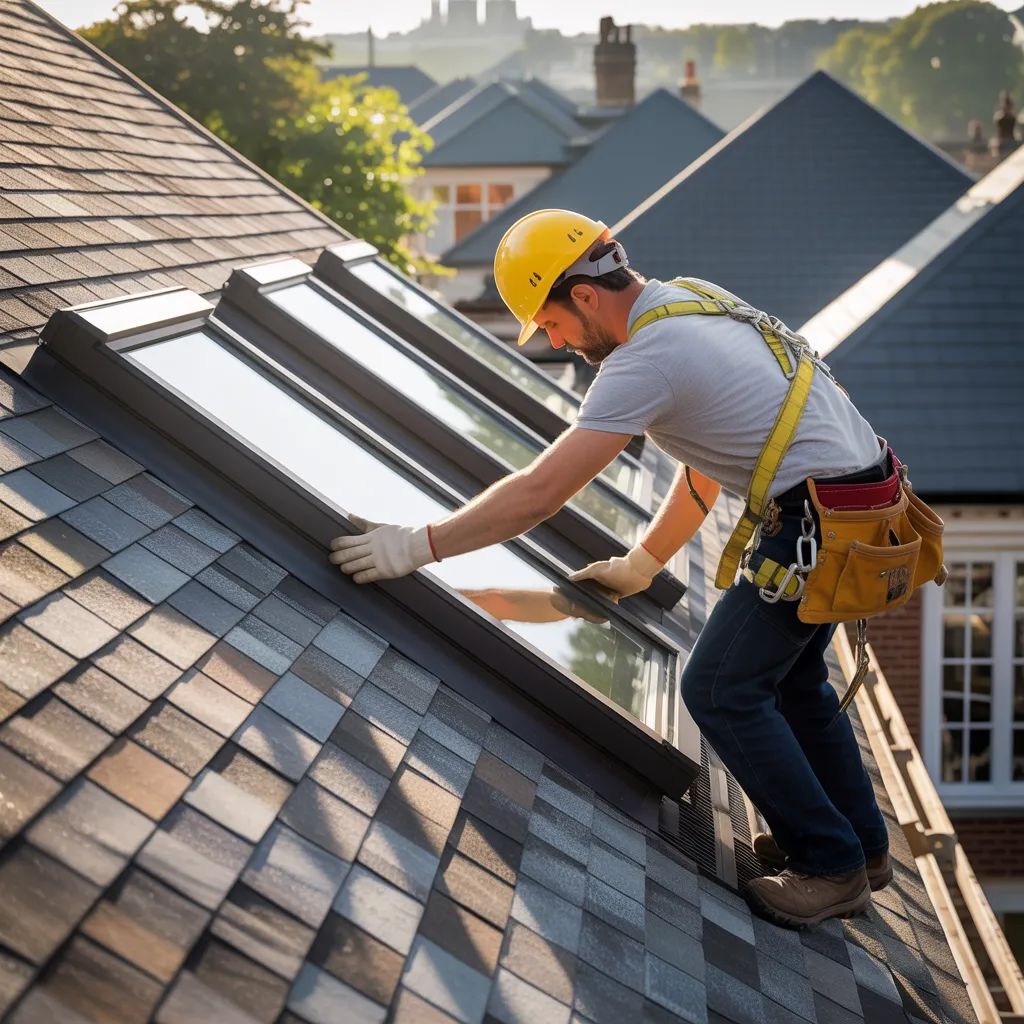
Understanding Skylights: Why They Matter for Your Home
Skylights function as portals to the sky, illuminating homes with natural light and elevating overall ambiance. These structural elements not only illuminate interiors but also establish a sense of openness that elevates the overall design. By installing skylights, homeowners can decrease dependence on artificial lighting, leading to potential energy savings. The presence of natural light can positively impact mood and well-being, leaving spaces feeling more inviting and cheerful.
In addition, skylights can enhance airflow, allowing warm air to escape while drawing in cooler breezes. This natural airflow contributes to a more comfortable indoor climate, especially during warmer months. Furthermore, thoughtfully situated skylights can accentuate select areas, including fine art or distinctive architectural accents, elevating the overall beauty of the residence. Ultimately, recognizing the advantages of skylights enables homeowners to value their contribution to a balanced living space, merging practicality with elegance.
Choosing the Right Skylight for Your Home
Picking the right skylight for a house encompasses numerous critical elements. A review of skylight types, energy performance factors, and decorative characteristics can enable homeowners make educated decisions. Every element proves critical in improving both functionality and aesthetic value.
Skylight Types Overview
When thinking about a skylight for a home, familiarizing yourself with the different types is crucial for arriving at an informed decision. Skylights are typically divided into three categories: fixed, vented, and tubular. Fixed skylights are stationary and mainly function to add light and aesthetics. Vented skylights are designed to let in fresh air and improve ventilation, making them perfect for rooms like kitchens and bathrooms. Tubular skylights, often called sun tunnels, are suited to smaller spaces and funnel sunlight along reflective tubes, supplying sunlight where larger skylights would not be practical. Each type has unique advantages, and homeowners should consider their particular needs and the desired placement to identify the most appropriate choice for their home.
Energy Efficiency Aspects
A thorough evaluation of energy performance is critical for homeowners planning to install skylights. Selecting the right skylight involves understanding factors such as glazing options, frame materials, and Energy Star ratings. Double or triple-pane units with low-emissivity (Low-E) coatings limit heat transmission, boosting insulation and cutting energy expenses. Homeowners ought to also evaluate the positioning and direction of the skylight to reduce heat gain during warmer months while maximizing natural light. Operable skylights can enhance airflow and decrease dependence on air conditioning. Additionally, choosing energy-efficient models can qualify homeowners for potential rebates or incentives, thereby increasing the long-term value of the installation. In summary, well-informed choices regarding energy efficiency significantly enhance the overall benefits of skylight installation.
Visual Design Elements
The visual impact of skylights can significantly improve a home's indoor and outdoor visual appeal. When selecting a skylight, homeowners should consider factors such as dimensions, form, and design to guarantee harmony with the home's established design components. For instance, oversized skylights can produce a striking impression, while more compact choices can enhance intimate areas. The choice of glass treatment also plays a vital role; clear glass can maximize natural light, whereas tinted or frosted versions offer privacy. Additionally, structural materials, like hardwood or aluminum, must harmonize with the residence's design philosophy. Ultimately, the right skylight not only elevates a room's ambiance but also adds to the property's exterior attractiveness, making well-considered selections vital for visual harmony.
Important Tools and Supplies for Skylight Installation
Effective skylight installation necessitates a specific set of instruments and resources to provide a reliable and streamlined experience. Vital tools include a tape measure to ensure exact sizing, a level to confirm correct positioning, and a utility knife for accurate trimming. A drill is essential for making guide holes, while roofing nails and a hammer fasten the skylight structure. Protective equipment, including gloves and goggles, is also essential to protect against potential hazards.
Materials needed for installation consist of the skylight unit itself, flashing to prevent leaks, and sealant for waterproofing. In addition, a reliable ladder is necessary for safe access to the installation area. Based on the type of roofing material, shingles or underlayment might also be necessary. Gathering these tools and materials beforehand will streamline the installation process, helping to avoid delays and guaranteeing a successful outcome.
Complete Step-by-Step Instructions for Installing Your Skylight
Commence by choosing the ideal location for the skylight, ensuring it complements the structural stability of the roof and optimizes daylight. Next, assess the measurements of the designated skylight and outline the outline on the roof. Carefully penetrate the roofing materials, making sure to steer clear of any underlying structures.
When the view details opening is complete, construct a frame around the skylight with 2x4s to provide stability and support. Fit a flashing kit along the perimeter of the opening to avoid water infiltration, verifying that it extends over the surrounding roofing materials.
Position the skylight inside the framed opening, fastening it according to the manufacturer's guidelines. Seal any openings with suitable caulking material to improve water resistance.
To complete the process, reinstall the roofing components encircling the skylight, guaranteeing a tight seal. On the inside, finalize the wall finishing and trim work as required, completing the installation process as natural light begins to flood the space.
Addressing Common Skylight Installation Challenges
Throughout the process of installing skylights, several common issues can arise that could undermine the quality of the installation. Installation leaks, inadequate sealing methods, and misplaced flashing are common issues that can lead to significant problems if not addressed promptly. Knowing how to identify and resolve these problems is critical for achieving a proper skylight installation.
Leakage During Installation
Addressing leaks during skylight installation is essential in order to secure a watertight seal and prevent long-term damage. Property owners should initially check the flashing and underlayment for any gaps or misalignments that might cause water intrusion. Proper alignment of the skylight within the roof opening is critical; even a slight tilt can worsen leaks. During the installation process, the use of high-quality sealants and flashing materials is recommended to provide an extra layer of protection against moisture. Additionally, checking for any debris or obstructions that may hinder drainage around the skylight is important. Routine evaluations following installation can assist in detecting potential problems before they worsen, preserving the long-term durability of the skylight and the adjacent roofing structure.
Inadequate Sealing Methods
Leaks that occur during installation often stem from inadequate sealing methods, making it essential to recognize frequent mistakes. One frequent mistake is failing to apply an adequate amount of sealant, which may result in openings that permit water infiltration. Homeowners must also ensure the sealant is suitable for use with the skylight material as well as the roofing surface. Furthermore, failing to properly spread and smooth the sealant could produce problem spots that compromise the installation. In some cases, using the wrong type of sealant, for instance using caulk in place of a flexible roofing sealant, could intensify the complications. Through awareness of these concerns, homeowners can take proactive steps to guarantee a watertight seal, effectively increasing the longevity of the skylight and preventing costly repairs.
Misplaced Flashing Installation
Securing proper flashing placement is essential for a effective skylight installation. Improper flashing can lead to severe water leaks and structural damage, compromising the complete installation process. It is essential that the flashing fits correctly with the roofing material to create a watertight seal. It is advisable for homeowners to confirm that the flashing is installed in accordance with the manufacturer's specifications and that it blends smoothly with existing roof features. Common mistakes include poor alignment, insufficient joint sealing, and neglecting to use proper materials. Periodic examinations following installation can aid in spotting potential issues promptly. Addressing these flashing concerns promptly can spare homeowners from significant repair costs and secure the longevity of their skylight. Proper attention to flashing will support a durable and efficient skylight installation.
Skylight Upkeep Tips for Extended Durability
Proper maintenance is essential for maximizing the lifespan of a skylight. Property owners should periodically check the skylight for evidence of wear, such as cracks or fading in the glass. Washing the skylight a minimum of twice annually aids in avoiding dirt accumulation that can block light and affect its appearance. A light soap solution paired with a soft cloth is all that is needed to complete this job.
Examining the flashing and weatherproofing is vital to prevent leaks. Property owners should ensure that these components are intact and free from debris. If damage is found, addressing repairs quickly can avoid costly water damage.
Furthermore, removing branches that hang over can minimize unwanted debris and lower the chance of damage during stormy conditions. Lastly, schedule inspections by professionals every few years or so to confirm that the skylight remains in top condition. By adhering to these guidelines, homeowners can take full advantage of their skylights for years ahead.

Questions We Often Receive
Should I Install a Skylight on My Own, or Is It Better to Hire a Professional?
Deciding whether to install a skylight yourself or engage a professional is contingent on one's technical ability and hands-on experience. Should any uncertainty arise, reaching out to a professional can help secure a proper installation and eliminate the risk of structural problems.
When Is the Ideal Time of Year for Skylight Installation?
The best time for skylight installation is in spring or early fall. Both seasons commonly feature favorable weather, lowering the likelihood of rain or snow, and enabling ideal working conditions and effective sealing of the skylight.
What Is the Typical Cost of Skylight Installation?
The typical cost of skylight installation falls between $1,000 and $3,000, based on factors including size, material, and installation complexity. Homeowners ought to factor in supplementary charges for permits and necessary roofing repairs when planning their budget.
Will Installing a Skylight Affect My Home's Energy Efficiency?
Adding a skylight can boost a home's overall energy performance by enabling natural light to minimize dependence on artificial lighting. However, poor installation or inadequate insulation may cause excessive heat loss or gain, impacting overall energy efficiency.
What Permits Are Needed for Skylight Installation?
Building permits at the local level are generally necessary for installing skylights. Homeowners must check with their municipality to determine the applicable regulations, including structural assessments and zoning laws, ensuring compliance with safety and energy efficiency standards.